Materials we buy
Stainless Steel
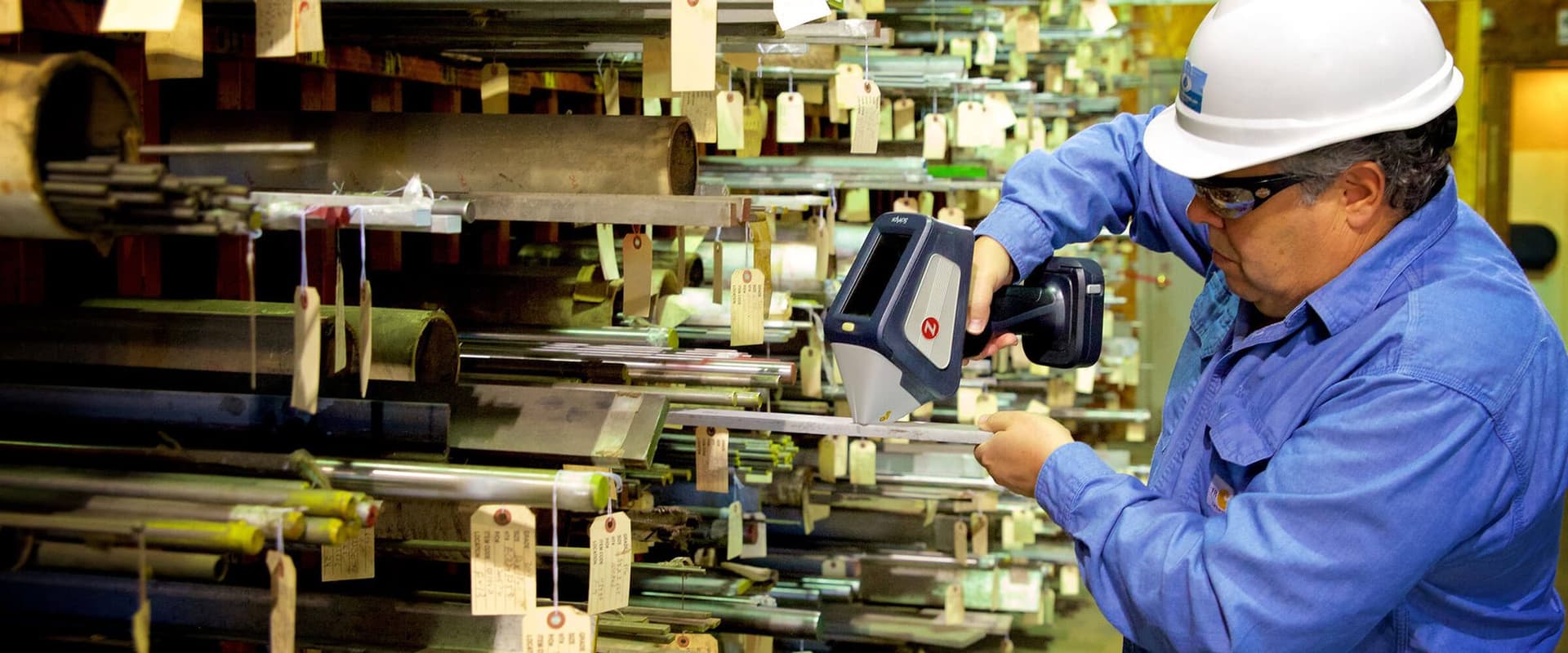
Grade-separated stainless - 304, 316 and the rest - verified on site with a handheld analyzer so you are paid for what you actually generated.
- Weighed on
- Certified scales
- Class
- Non-ferrous
Forms we accept
What counts as stainless
- 304 / 316 solids and turnings
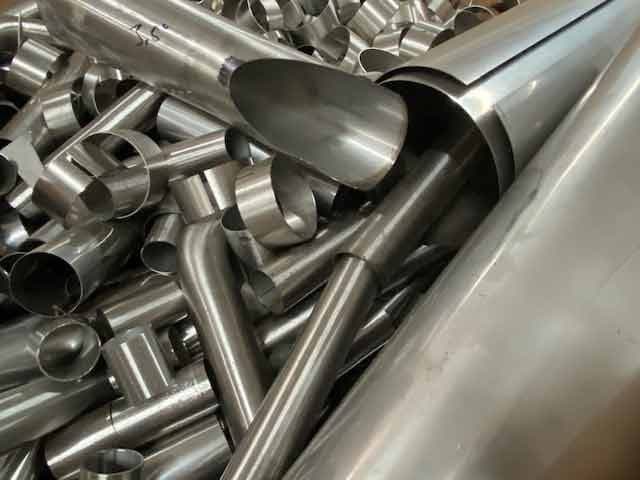
- Sheet, plate and pipe offcuts
- Tanks and process vessels
- Food-grade and pharmaceutical equipment
- Exhaust and heat-exchanger scrap
Industries we collect it from
- Food and beverage processing
- Pharmaceutical and biotech
- Chemical processing
- Precision fabrication
How we collect it
The container decides the grade.
Material that gets mixed on the floor cannot be un-mixed at the scale. Placing the right container at the point of generation is the single highest-return change most facilities make.
Self-dumping hoppers
Forklift-handled hoppers that empty into a larger container without manual handling.
4x4 Gaylord boxes & pallets
Corrugated bulk boxes for clean, high-value non-ferrous right at the machine.
IBC totes
Contained handling for turnings, borings and fines.
55-gallon drums
Point-of-generation separation for small, high-value streams.
Specialized containers
Custom metal bins built to your footprint, weight and process. Special order.
Questions
Stainless — the questions we get
- Does Custom Recycling buy stainless scrap?
- Yes. We buy stainless steel from industrial and commercial accounts across the Carolinas, including 304 / 316 solids and turnings, sheet, plate and pipe offcuts, tanks and process vessels, food-grade and pharmaceutical equipment. Material is weighed on certified scales and graded before settlement.
- Which industries do you collect stainless from?
- Most commonly food and beverage processing, pharmaceutical and biotech, chemical processing, precision fabrication. If your process generates it as a by-product, there is almost certainly a container configuration that captures it cleanly.
- How do you tell 304 from 316?
- With a handheld analyzer, not a guess. We run it on site before material moves, because the difference between those two grades on a full container is a large amount of money and neither of us benefits from finding out later.
Generating stainless? Let us look at it.
A free site visit, an honest grade, and a container plan that keeps this stream out of the mixed pile.