
Sustainability & reporting
Recycled tonnage is one of the few environmental numbers you can actually prove.
Most corporate sustainability data is modelled. Diverted metal is not: it is weighed on a certified scale, recorded by material type, and backed by a third-party ticket. That makes it the strongest line in a lot of ESG reports.
What you get back
Data your reporting team can defend.
Every account receives material totals tied to certified weights. Finance uses them to reconcile; sustainability teams use them as diversion evidence.
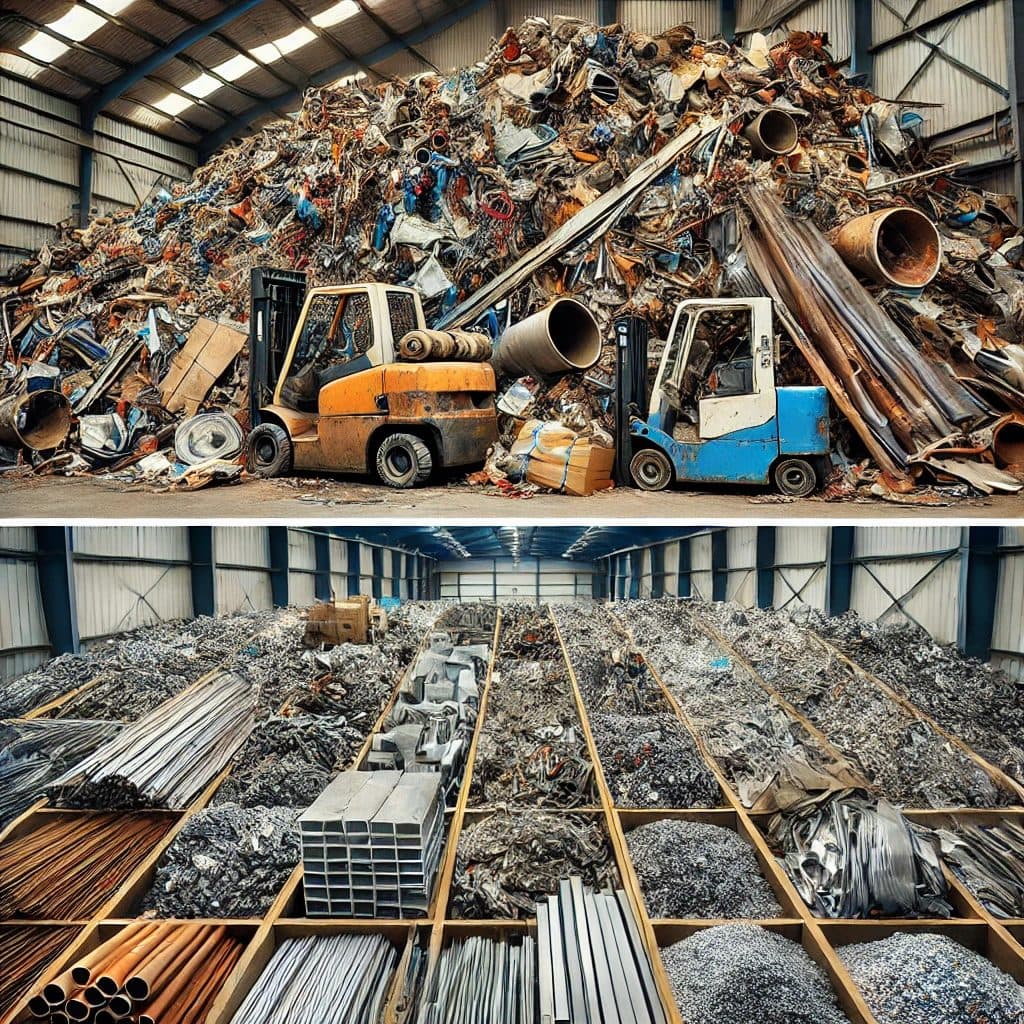
- Detailed material totals, broken down by stream
- Certified scale weights on every load
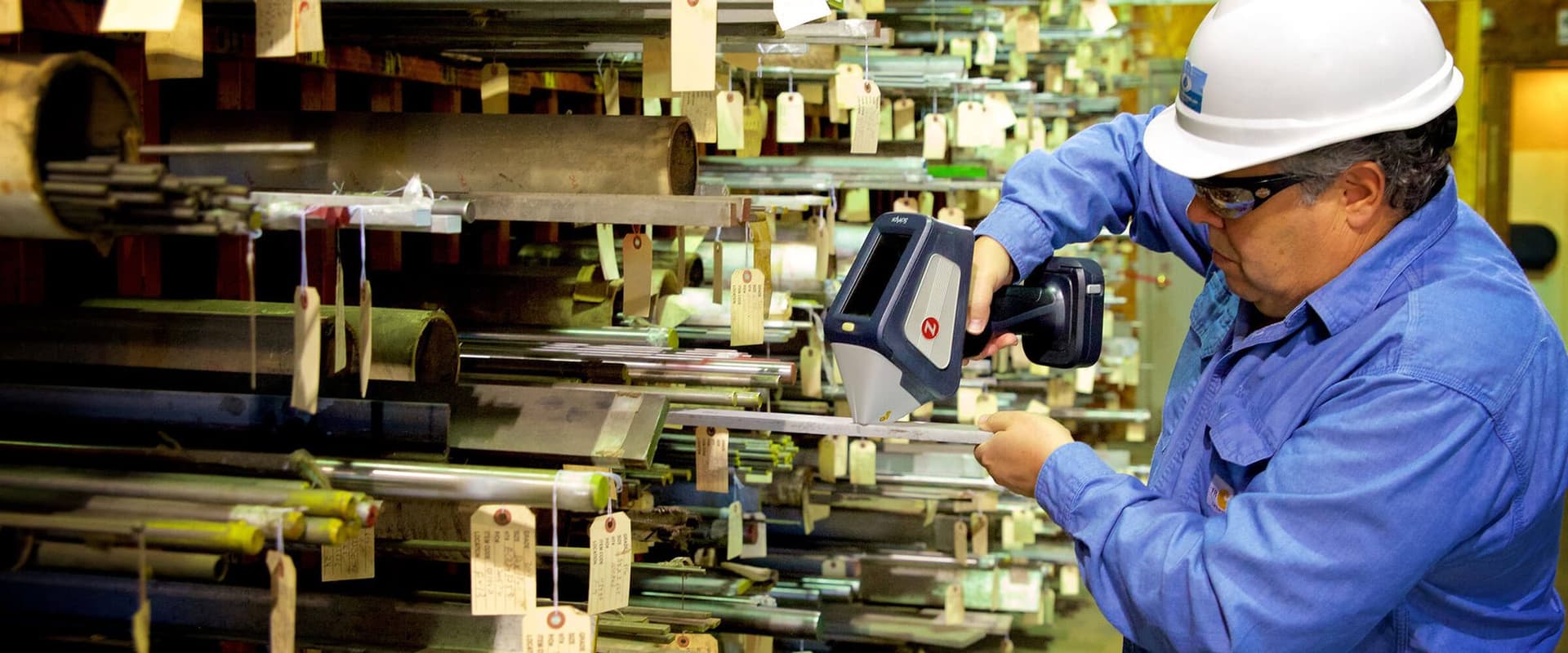
- Alloy verification on the grades where it matters
- A consistent record over time, not one-off tickets
- Documentation for regulated streams such as lead-acid batteries
- A named contact who can answer an auditor question
Why it matters
What recycling metal actually saves.
Industry figures, not our own measurements - but they are the reason a ton diverted is worth reporting.
58%
Lower CO2 emissions
Using ferrous scrap rather than virgin materials to produce iron and steel cuts CO2 emissions by 58 percent.
92%
Energy saved on aluminum
Recycling aluminum scrap instead of producing it from virgin materials saves up to 92 percent of the energy.
56%
Less energy for steel
Recycling steel requires 56 percent less energy than producing steel from iron ore.
60 days
Aluminum can turnaround
A used aluminum can is recycled and back on the grocery shelf in as little as 60 days.
25,000
Statues of Liberty
The US recycles enough copper annually to provide the copper content for nearly 25,000 Statues of Liberty.
#1
Most recycled material
Steel is the most recycled material in the world.
Beyond the scale
Small operational changes that move the number.
Most facilities can lift both their recovery value and their diversion rate without capital spend.
- 01
Separate at the point of generation
One container at the dock captures everything at the lowest grade in it. Containers at the machine capture each stream at its own grade - and make the diversion data meaningful by material.
- 02
Contain the streams that walk
Lidded and sealed containers for copper, wire and clean non-ferrous. Material that is stolen is not diverted, and it does not appear in anyone's report.
- 03
Pull the recoverables out of construction waste
Motors, compressors, sheet metal and duct routinely go into general construction trash. Diverting them is usually the single biggest one-off improvement on a site.
- 04
Measure it monthly, not annually
A consistent monthly record is what makes a year-end figure defensible. It also shows you quickly when something has started going in the wrong bin.
Questions
Reporting questions
- What reporting do I get?
- Detailed material totals by stream, tied to certified scale weights. Customers use them both for internal reconciliation and as the diversion data behind corporate sustainability and ESG reporting — recycled tonnage is one of the few environmental numbers a manufacturer can substantiate with a third-party weight ticket.
- Can you support our ESG or corporate sustainability reporting?
- Yes. Because every load is weighed on certified scales and recorded by material type, your recycled tonnage is auditable rather than estimated. That is the number most reporting frameworks want when they ask about waste diverted from landfill.
- Why does recycling scrap rather than landfilling it matter environmentally?
- Using ferrous scrap instead of virgin material to make iron and steel cuts CO2 emissions by roughly 58 percent and takes about 56 percent less energy than producing steel from iron ore. For aluminum the energy saving reaches 92 percent. Metals can also be recycled indefinitely without losing strength, so material recovered today stays in circulation.
Need diversion data for a report?
Tell us what your framework asks for and we will tell you exactly what we can evidence.