The case for it
Recycling metal is an environmental argument that happens to be a financial one.
Metals can be recycled indefinitely without losing strength. That single property is why scrap is a commodity with a real market rather than a waste stream with a disposal fee.
The business case
For a manufacturer, scrap sits in one of two places on the ledger. Treated as waste it is a disposal cost, a hauling cost and a volume problem. Treated as a commodity it is a revenue line that offsets material cost - and in a good year, a meaningful one.
The difference between those two positions is almost never a question of whether a business recycles. It is a question of how well the material is separated and how honestly it is graded. A container of mixed metal pays the price of the cheapest thing inside it, which is why the same tonnage can be worth wildly different amounts depending on how it was collected.
The environmental case
Producing metal from recycled feedstock rather than virgin ore avoids most of the energy and emissions involved. Ferrous scrap cuts CO2 emissions by about 58 percent against virgin production and uses roughly 56 percent less energy than making steel from iron ore. For aluminum the energy saving reaches 92 percent.
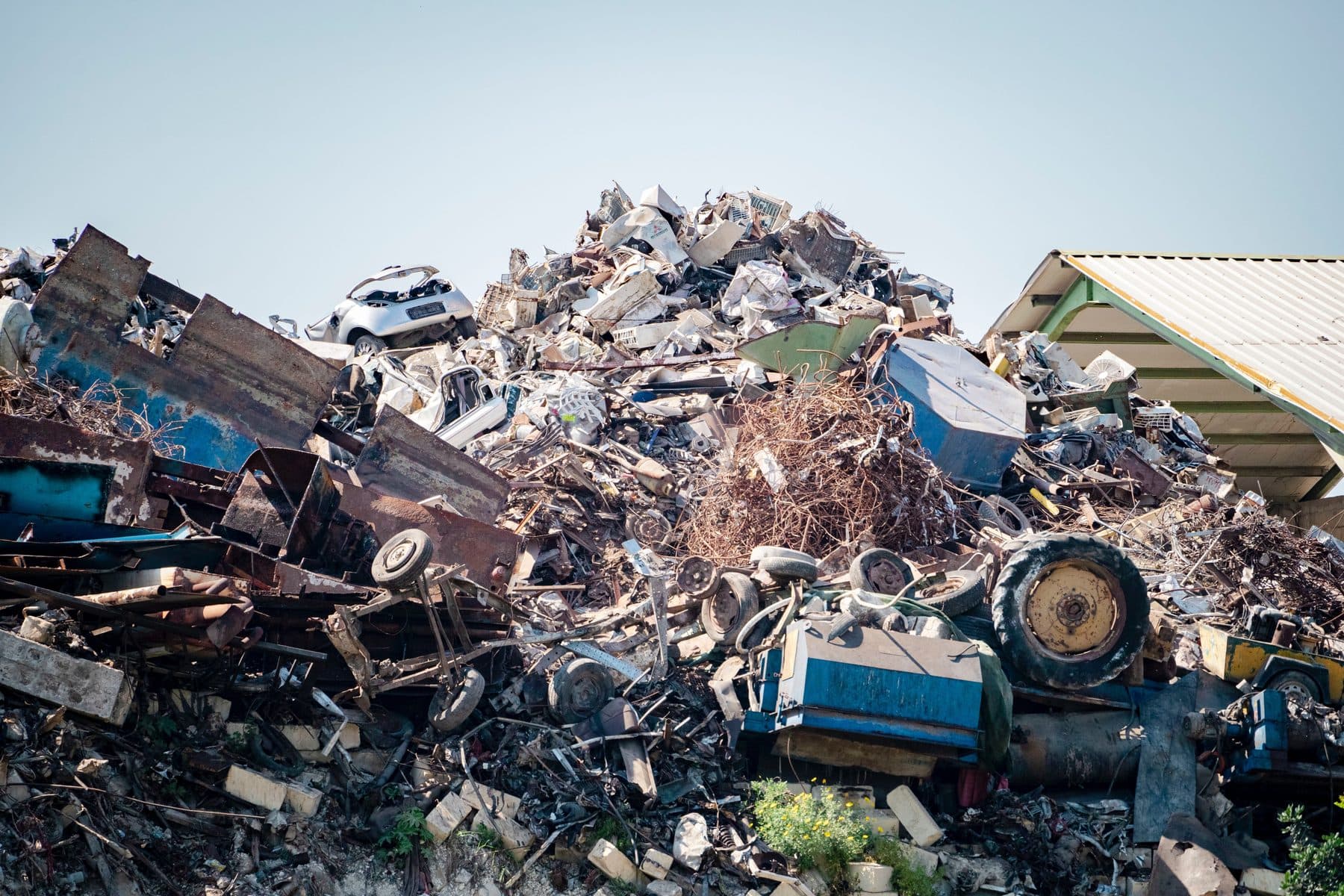
Mining and processing virgin metal carries land, water and habitat costs that recycling simply avoids. Metal sent to landfill does the reverse: it takes decades to break down, can leach into soil and water, and leaves the demand it should have met to be filled by new extraction.
The reporting case
Recycled tonnage is unusual among environmental metrics in being directly measurable. It comes off a certified scale, is recorded by material type, and is evidenced by a third-party ticket. That makes it one of the few numbers in a corporate sustainability report that does not rest on a model.
The numbers
Worth knowing.
58%
Lower CO2 emissions
Using ferrous scrap rather than virgin materials to produce iron and steel cuts CO2 emissions by 58 percent.
92%
Energy saved on aluminum
Recycling aluminum scrap instead of producing it from virgin materials saves up to 92 percent of the energy.
56%
Less energy for steel
Recycling steel requires 56 percent less energy than producing steel from iron ore.
60 days
Aluminum can turnaround
A used aluminum can is recycled and back on the grocery shelf in as little as 60 days.
25,000
Statues of Liberty
The US recycles enough copper annually to provide the copper content for nearly 25,000 Statues of Liberty.
#1
Most recycled material
Steel is the most recycled material in the world.
Questions
Common questions
- Why is recycling scrap metal worth doing for a business?
- Three reasons that stack. It converts a disposal cost into a revenue line, it reduces the volume going to landfill and therefore your waste bill, and it produces auditable diversion data for sustainability reporting. For most manufacturers the recovered value alone pays for the effort.
- Can metal be recycled indefinitely?
- Yes. Unlike most materials, metals can be recycled repeatedly without losing strength or durability, which is why scrap is a genuine feedstock rather than a downgraded substitute. Steel is the most recycled material in the world.
- What happens to metal that goes to landfill instead?
- It takes decades to break down and can leach into soil and water, while the demand it fails to offset is met by mining virgin ore - an energy-intensive process with its own land, water and habitat costs.
Let us look at your scrap stream.
A no-obligation site visit, a container plan sized to your process, and a written proposal. No pressure, no cost.